

A wine cork is almost the same rich history as the drink, whose integrity it is designed to keep…
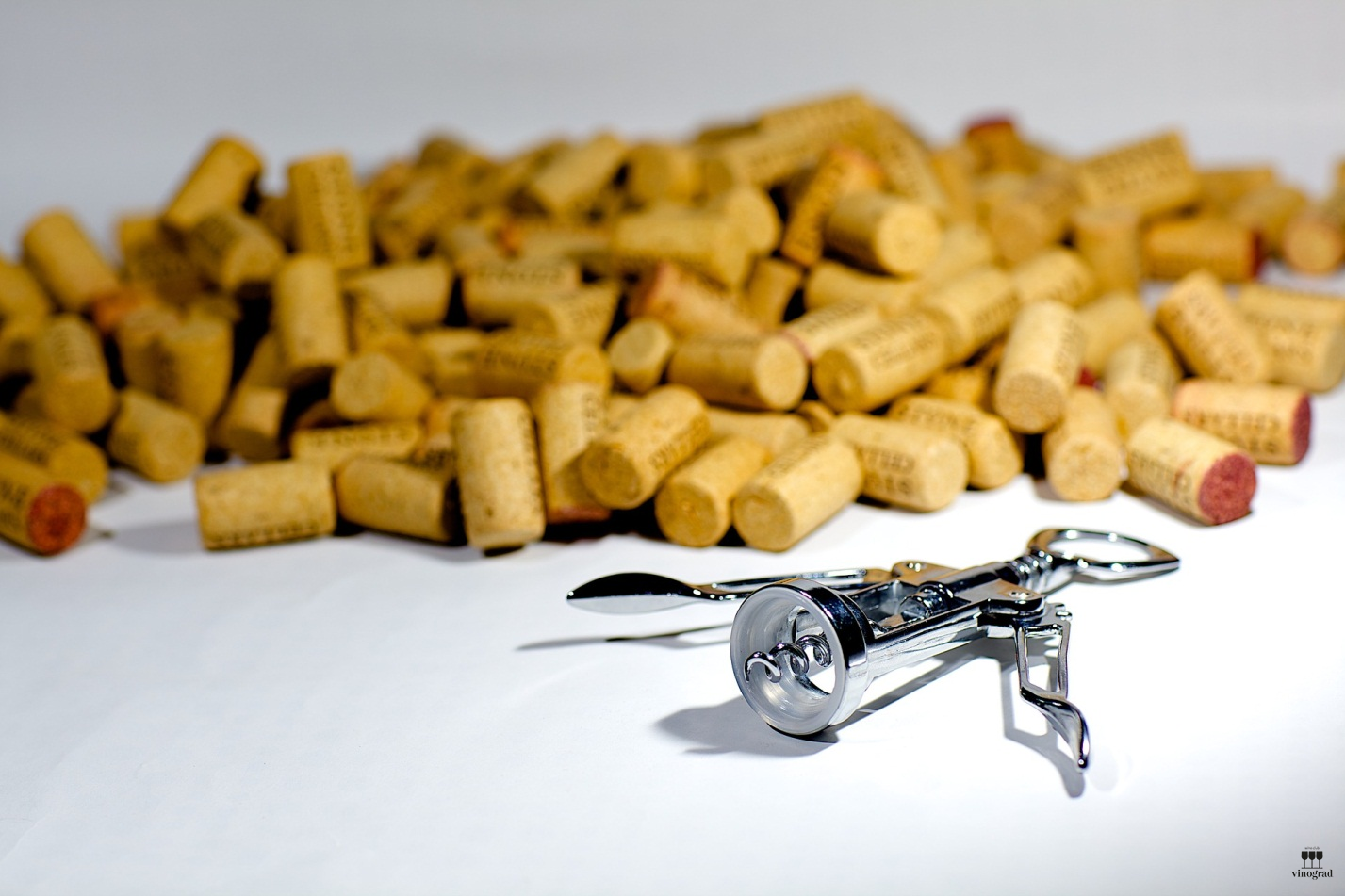
The history of wine corks
Enterprising ancient Greeks managed not only to learn how to produce good wine, but to make successful trade. The complications caused by the inconvenience transportation of open amphorae, and induced them to create a tube. The main requirement was to protect from spilling the precious drink (more about the integrity of the question), and a wooden tube perfectly coped with this task. Of course, this “gag” was far from perfect: use as the basis of soft wood was the cause rapid swelling of the tube inside the vessel, and, as a consequence, damage to the neck of amphorae and oxidation of the wine. Later they improved the technology and began to lubricate the tube with clay and sealed with resin.
Based on the experience of the pioneers, the Phoenicians and the ancient Romans used as a material of the bark of a special oak. They, like anyone else, was close to a revolutionary discovery, but the lack of packaging (glass) pushed the date of the mass use until the 17th century. Such tube is kept the integrity of the beverage, provided the integrity and contributed to the “beautification” of the wine during storage. Since 1630, when Kanalom of Degme was made the first glass wine bottle, the demand for the tube has started to grow relentlessly.
Shape of a wine cork.
The first wine bottles were different sizes the neck, so the tube had to do in the form of a cone in the bottle, they were scored only partially, so you can uncork the wine. The invention of the corkscrew, allowing you to create tube-cylinders, and completely “drown” them in the neck. From that moment began the production of cork boom, this variant supplanted all the rest.
Despite the automation of current production, the manufacturing process itself remains quite long and laborious. If before the cork was missing at all, with the increase in wine increased and the flow tube that could jeopardize the existence of the cork oak tree, so the decision was made on the cultivation of this tree. From the moment of planting to the first use of the bark takes at least 15 years, and the next layer will grow only after 9-10 years. Followed by complex technology: from the cutting of the bark by hand, ending with drying, disinfecting and soaking it in hot water. The best are tube from a single piece of wood (for fine wines), collatione tube, which powder cork dust, is used in the production of wine in the medium price range. From the waste of low-quality glue tube, which are used for inexpensive wines.
